


Hey there! As a supplier of food grade gelatin, I often get asked a bunch of questions about its uses. One question that pops up quite a bit is, "Can I use food grade gelatin in noodles?" Well, let's dig into this topic and find out.
First off, let's talk a bit about what food grade gelatin is. Gelatin is a protein obtained by boiling skin, tendons, ligaments, and/or bones with water. It's commonly used in the food industry for all sorts of things like making jellies, desserts, and even in some meat products to improve texture. Food grade gelatin means it's safe for human consumption and meets all the necessary safety standards.

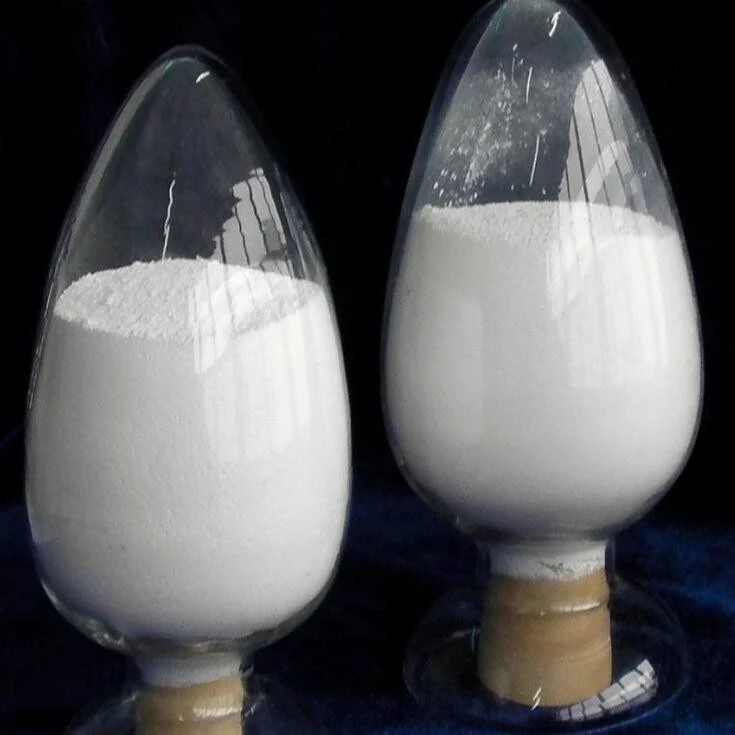
Now, when it comes to using it in noodles, there are several factors to consider. One of the main reasons you might want to add gelatin to noodles is to improve their texture. Gelatin has the ability to form a gel-like structure when it's dissolved in water and then cooled. This can make the noodles firmer and less likely to break during cooking and handling.
Imagine you're making fresh noodles at home. Without any additives, the noodles can sometimes be a bit delicate and might fall apart easily. But if you add a small amount of food grade gelatin to the dough, it can act as a binder. The gelatin molecules will cross - link with the flour proteins, creating a more stable network. This results in noodles that hold their shape better, have a nicer chew, and don't turn into a mushy mess in the pot.
In a commercial setting, food grade gelatin can also be a great asset. Noodle manufacturers are always looking for ways to improve the quality and shelf - life of their products. Gelatin can help with both. For one, it can extend the shelf - life by preventing the noodles from drying out and becoming brittle. It also gives the noodles a more consistent texture, which is important for mass - produced products.
But it's not all sunshine and rainbows. There are some potential downsides to using gelatin in noodles. For starters, gelatin is derived from animal sources (usually pigs or cows). This can be a problem for people who follow a vegetarian or vegan diet. Also, some people might have allergies to gelatin. If you're a noodle manufacturer, you need to clearly label your products if they contain gelatin to avoid any legal issues and to respect the dietary choices of your customers.
Another thing to keep in mind is the taste. Gelatin itself doesn't have a strong taste, but it can slightly alter the flavor profile of the noodles. Some people might notice a very subtle difference, especially if a relatively large amount of gelatin is used. You'll need to do some taste testing to find the right balance that suits your target market.
Now, let's talk about the technical aspects of adding gelatin to noodles. The first step is to dissolve the gelatin in warm water. You want to make sure it's completely dissolved before adding it to the flour. The amount of gelatin you use depends on the type of noodles you're making and your personal preference. As a general rule, you can start with about 1 - 2% of the total weight of the flour.
Mix the dissolved gelatin with the flour and other ingredients as you normally would when making noodles. Knead the dough well to ensure that the gelatin is evenly distributed. Then, let the dough rest for a while to allow the gelatin to fully interact with the flour proteins. This resting period is crucial for getting the best texture.
After that, you can roll out the dough and cut it into your desired noodle shapes. When you cook the noodles, you'll notice that they hold their shape better and have a more elastic texture compared to noodles without gelatin.
If you're not sold on using gelatin, there are some alternatives out there. For example, Gellan Gum Powder is a popular thickening and gelling agent. It's a polysaccharide that can be used to achieve similar results as gelatin. It's also suitable for vegetarians and vegans. Another option is Xanthan Gum Thickener or Xanthan Gum 200 Mesh. Xanthan gum is a natural gum produced by bacteria. It can improve the viscosity and stability of the noodle dough, giving the noodles a better texture.
In conclusion, yes, you can use food grade gelatin in noodles. It has its benefits in terms of texture and shelf - life, but it also has some limitations. Whether you're a home cook looking to experiment or a commercial noodle manufacturer, it's worth giving it a try. Just make sure to consider the dietary restrictions of your consumers and do some proper testing to find the right amount to use.
If you're interested in purchasing food grade gelatin for your noodle - making needs, I'd love to talk to you. We have high - quality food grade gelatin that meets all the industry standards. Whether you're a small - scale producer or a large corporation, we can provide you with the right quantity at a competitive price. Don't hesitate to reach out and start a conversation about your requirements.
References
- "Food Additives: Properties, Applications, and Regulations" by some food science experts.
- Various research papers on the use of hydrocolloids in noodle production.


